Smithville, Missouri
Mold After a Roof Leak in Smithville
Water from a roof leak in Smithville often travels through attic decking and insulation, creating hidden mold. The crew inspects these areas and safely removes any colonized materials.
When you call
What happens when you call Smithville's 24/7 line
Call (844) 352-3560 any hour. The line is answered 24/7 and insurance is accepted.
The process
The Mold After Roof Leak process in Smithville, MO
Inspect
Technicians check the attic, roof decking, and ceiling drywall in Smithville homes to map the full path of water intrusion.
Contain
The attic access or ceiling opening is sealed with containment and negative air pressure before any work begins.
Remove
Colonized materials like saturated insulation and moldy drywall are bagged and removed from the contained space.
Dry
The attic and ceiling cavity are dried thoroughly, as wet insulation releases moisture slowly.
Verify
Final moisture readings confirm the structure is dry, and remaining framing is treated before the job is complete.
Why Smithville homeowners call
Mold After Roof Leak done to the IICRC S520 standard in Smithville, MO
Full inspection of the moisture path
The attic, insulation, decking, and ceiling drywall are all inspected, not just the visible stain.
Documented remediation process
Photos, moisture data, and a written scope document the work from attic to ceiling, which can assist with insurance.
When to call
When to book Mold After Roof Leak in Smithville
- A ceiling stain that reappears or grows after rainfall
- A musty smell in an upstairs room or closet
- Dark streaking visible on attic roof decking or rafters
- Damp, matted insulation beneath a known leak
- Interior staining appearing weeks after hail or wind damage
- Winter ice dam meltwater seeping under shingles
Any one of these is reason enough to call (844) 352-3560, the line is answered 24/7.
Scope of work
What the crew removes and treats in Smithville homes
Roof decking
Wire brushed, HEPA vacuumed, and sealed with encapsulant
Rafters and truss chords
Treated in place if the wood remains structurally sound
Blown-in insulation
Removed where it is matted or colonized
Ceiling drywall
Cut out where staining has penetrated the paper face
Vapor barrier and baffles
Replaced to ensure proper attic ventilation
Not sure how far the damage runs? Describe it on the phone at (844) 352-3560, the line is answered 24/7.
By location
Mold After Roof Leak by city
Mold After Roof Leak covers Smithville and the whole Clay County area. Pick your city for local detail and pricing.
Where the crews work
Mold After Roof Leak across Smithville & the Clay County area
From Smithville out to Ridgely, Trimble, Ferrelview, and the Clay County area. The same crews, the same 24/7 line.
What it costs
Mold removal cost in Smithville, MO
Every job is different, so these are the typical Missouri ranges. They are planning numbers, not a quote. Your price depends on how much mold there is, where it is, and what caused it.
A single moldy spot, a closet, or under a sink. The crew seals it off, removes it, and treats the surface.
A bathroom, kitchen, or bedroom with mold on a wall or ceiling, plus the moisture source fixed.
Larger areas that need more containment and drying. Common here after spring rain or a slow leak.
Mold across several rooms or after major water damage. The work runs in phases, room by room.
The surest way to get a firm number is to call and have the crew walk the space with you. Want a ballpark first? Try the instant mold remediation cost calculator. Filing a claim? Insurance is accepted and the contractor works with your carrier, so read the mold insurance claims guide.
Time and scope
How long Mold After Roof Leak takes in Smithville, and what is included
How long the job takes
Attic remediation typically moves faster than work in finished living spaces. The duration depends on the extent of insulation removal, the condition of the decking, and the scheduling of necessary roof repairs.
What is included, what is booked separately
- Attic inspection with moisture meters and thermal imaging
- Containment at the attic access and ceiling opening
- Removal and disposal of saturated, moldy insulation
- HEPA vacuuming and antimicrobial treatment of decking and framing
- Drying the ceiling cavity to meet specific moisture targets
Booked separately: Attic Mold Removal, Ceiling Mold Removal, Mold Damage Restoration.
For a firm schedule and a written scope, call (844) 352-3560, the line is answered 24/7.
On the job
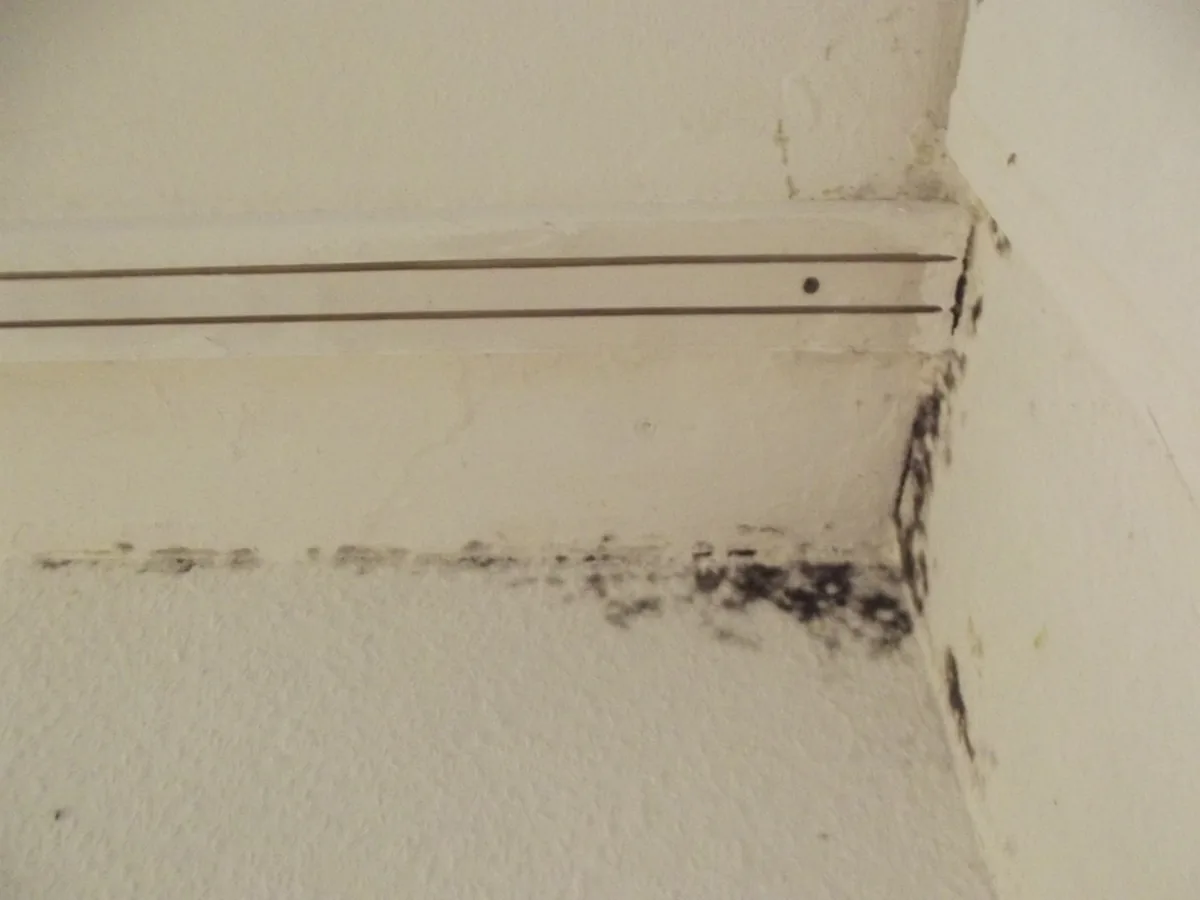
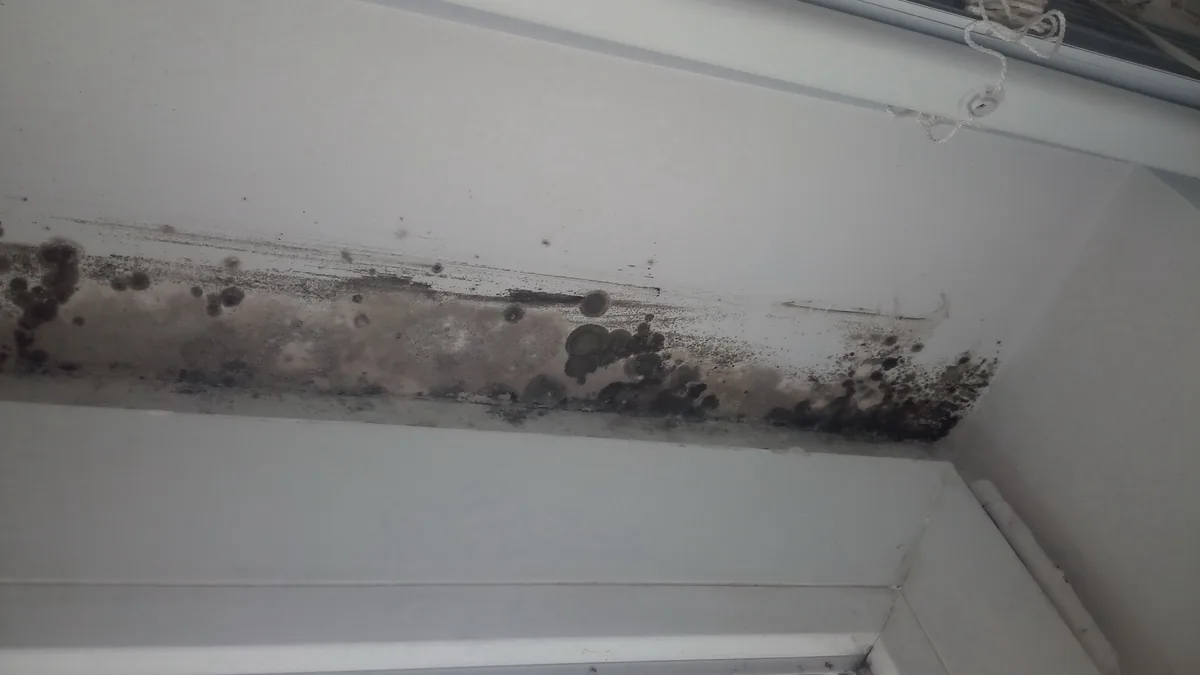
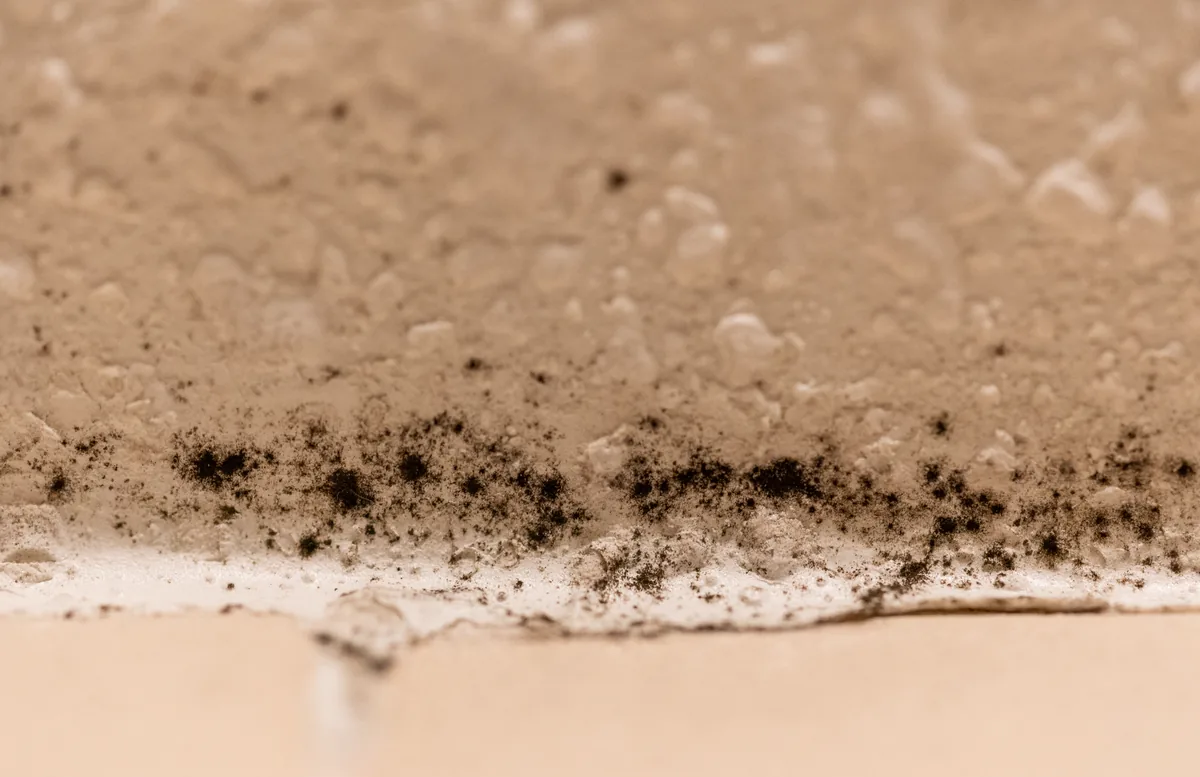
Mold remediation work in Smithville homes
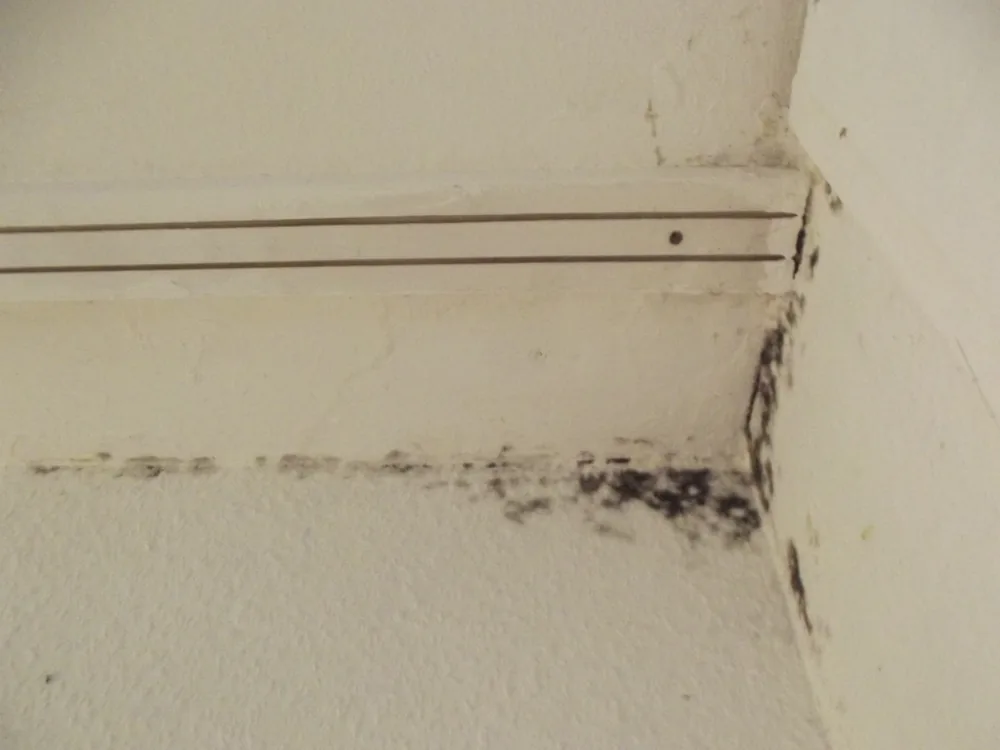

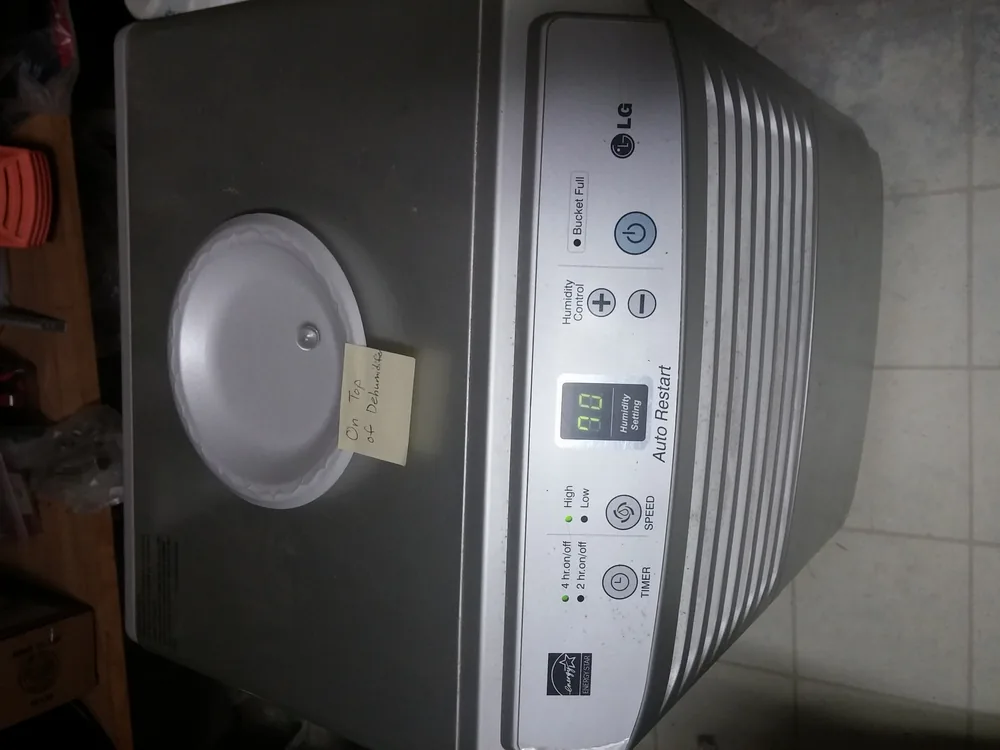
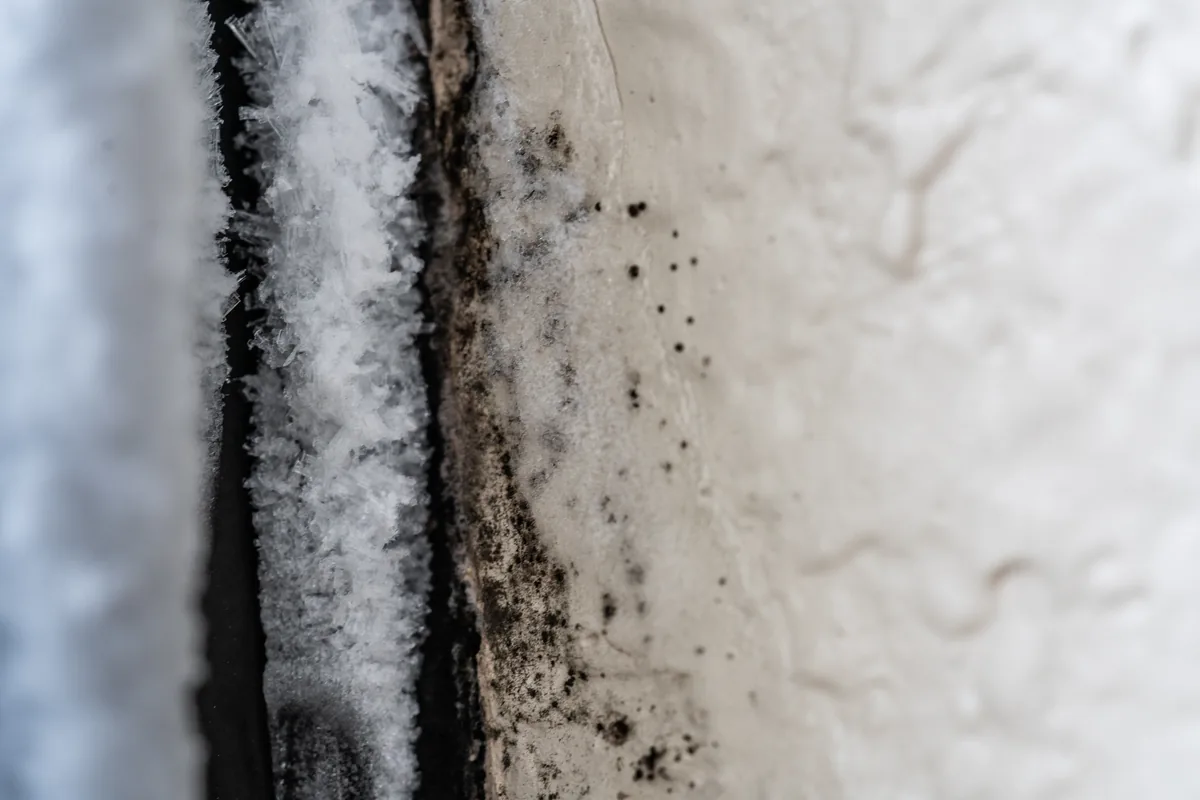

Why roof leak damage is often underestimated
A small ceiling stain can hide a larger wet area in the attic, as water spreads along decking or trusses before seeping through.
The visible damage is typically just a portion of the affected area, which is why inspection starts above the ceiling.
For independent guidance on mold, moisture, and safe cleanup, see EPA: A Brief Guide to Mold, Moisture and Your Home and CDC: Basic Facts about Mold and Dampness.
- Missing or damaged shingles after Missouri hail and wind
- Ice dams that back water up under roofing in winter
- Flashing failures around chimneys, vents and skylights
- Clogged gutters pushing water back under the roof edge
Assessing a roof leak for mold in Smithville
In Smithville, the inspection begins in the attic where moisture first collects. Insulation often holds water long after surfaces appear dry.
Decking, rafters, and insulation near the leak are tested for moisture before evaluation moves to the ceiling drywall below.
- Attic insulation and roof decking near the leak
- Rafters and trusses checked for discoloration or soft wood
- Ceiling drywall and the framing bay behind it
- Any HVAC ductwork routed through the affected attic area
Missouri weather contributes to roof leaks
The climate in Smithville and Missouri brings hail, heavy snow, and temperature swings that can compromise roofing materials over time.
If recent storms are followed by a ceiling stain or musty odor in an upstairs room, prompt assessment is recommended.
Sequencing roof repair and mold remediation
While roof repair is separate, the remediation specialists can coordinate timing with your roofing contractor.
Closing up interior materials before the roof is fixed can lead to recurring mold issues behind new drywall or insulation.
After the job
After the job: keeping it from coming back
Schedule roof repair before reinstalling insulation or drywall
Clear gutters each fall to prevent water backup under the roof edge
Maintain clear ridge and soffit vents for proper attic airflow
Check the attic with a flashlight after the first major spring storm
If it shows up again, or a new leak starts, call (844) 352-3560, the line is answered 24/7.
Good to know
Mold After Roof Leak in Smithville, MO: common questions
How can I tell if a ceiling stain has mold behind it?
Signs include a persistent musty odor, a stain that continues to expand, or drywall that feels soft to the touch.
Should I wait for roof repair before addressing mold?
It is best to have the moisture assessed promptly. Delaying can allow mold to spread further into insulation and framing.
Is mold from a roof leak covered by insurance?
Coverage depends on the specific insurance policy and the cause of the leak. The work is documented to support any claim.
Is the attic inspected for mold after a roof leak?
Yes. The inspection starts in the attic, insulation, and roof decking, as this is where roof leak moisture initially accumulates.
Is insulation replaced during mold remediation?
Insulation that is saturated or colonized with mold is removed and disposed of as part of the remediation process.
Related services
More mold services in Smithville, MO
Standards
Standards the work is done to in Smithville
Questions about the scope? Call (844) 352-3560, open 24/7.
Talk to the mold removal team now
Need Mold After a Roof Leak in Smithville, MO?
Call the 24/7 line and a local crew gets the problem contained fast, then removed the right way, to the IICRC S520 standard. A visit is often set the same day.