Smithville, Missouri
Basement Mold Removal in Smithville, MO
Basement mold removal in Smithville, MO addresses moisture from spring runoff, foundation cracks, or sump pump failure. Technicians trace the source, remove the growth, and dry the structure thoroughly.
When you call
What happens when you call Smithville's 24/7 line
Call (844) 352-3560 any hour. The line is answered 24/7 and insurance is accepted.
The process
The Basement Mold Removal process in Smithville, MO
Inspect
Moisture meters and thermal imaging locate water entry at foundation walls, the sump pit, and window wells, identifying the full moisture path in Smithville basements.
Contain
The stairwell is sealed and negative air pressure is established with HEPA air scrubbers before any removal work begins.
Remove
Affected porous materials like drywall, baseboard, carpet pad, and batt insulation are removed and bagged. Concrete, block, and sound framing are cleaned and treated.
Dry
Air movers and dehumidifiers run until documented drying goals are met, based on daily moisture readings, not visual appearance.
Verify
Original wet spots are rechecked before equipment removal, as basements can conceal slow seepage that may only be detected on a secondary inspection.
Why Smithville homeowners call
Basement Mold Removal done to the IICRC S520 standard in Smithville, MO
Moisture source identification
The process begins by determining how moisture enters the basement to support a lasting solution.
Radon system compatibility
Existing radon mitigation components, including sealed sump lids and piping, are worked around without compromising system function.
Documented remediation process
Work is supported by photos, daily moisture logs, and a written scope, which can be useful for insurance claims related to sudden failures.
Insurance coordination assistance
For covered losses, the remediation specialists can coordinate directly with your insurance carrier and adjuster.
When to call
When to book Basement Mold Removal in Smithville
- Efflorescence or dark stains along basement foundation walls
- A persistent musty odor, strongest at the bottom of the stairs
- Carpet edges or drywall softening after heavy spring rain
- Sump pump running continuously or failing during spring runoff
- Water tracking across the slab from a flooded window well
- Spotted, sour-smelling boxes stored against basement walls
Any one of these is reason enough to call (844) 352-3560, the line is answered 24/7.
Scope of work
What the crew removes and treats in Smithville homes
Drywall and baseboard
Drywall removal two feet above the highest moisture reading
Carpet and pad
Carpet pad discarded; carpet may be saved only in clean water situations
Bottom plate and studs
Framing and concrete cleaned, treated, and dried to a documented standard
Fiberglass batt insulation
Insulation removed from wet stud cavities and bagged for disposal
Concrete and block
Concrete and block surfaces cleaned and treated with antimicrobials
Vapor barrier behind framing
Baseboard trim removed where it trapped moisture against the wall
Not sure how far the damage runs? Describe it on the phone at (844) 352-3560, the line is answered 24/7.
By location
Basement Mold Removal by city
Basement Mold Removal covers Smithville and the whole Clay County area. Pick your city for local detail and pricing.
Where the crews work
Basement Mold Removal across Smithville & the Clay County area
From Smithville out to Ridgely, Trimble, Ferrelview, and the Clay County area. The same crews, the same 24/7 line.
What it costs
Mold removal cost in Smithville, MO
Every job is different, so these are the typical Missouri ranges. They are planning numbers, not a quote. Your price depends on how much mold there is, where it is, and what caused it.
A single moldy spot, a closet, or under a sink. The crew seals it off, removes it, and treats the surface.
A bathroom, kitchen, or bedroom with mold on a wall or ceiling, plus the moisture source fixed.
Larger areas that need more containment and drying. Common here after spring rain or a slow leak.
Mold across several rooms or after major water damage. The work runs in phases, room by room.
The surest way to get a firm number is to call and have the crew walk the space with you. Want a ballpark first? Try the instant mold remediation cost calculator. Filing a claim? Insurance is accepted and the contractor works with your carrier, so read the mold insurance claims guide.
Time and scope
How long Basement Mold Removal takes in Smithville, and what is included
How long the job takes
Finished basements require more time due to the removal of carpet, padding, drywall, and framing to access the foundation. The drying phase determines completion, with equipment remaining until moisture meter readings meet the target, not just visual dryness.
What is included, what is booked separately
- Stairwell containment and negative air pressure in the basement
- Removal of affected drywall, baseboard, carpet pad, and insulation
- Antimicrobial application to framing, concrete, and block
- Dehumidification and air moving until target readings are achieved
- Documentation including photos, daily logs, and a written scope for insurance
Booked separately: Crawl Space Mold Removal, Mold Clearance Testing, Mold Damage Restoration.
For a firm schedule and a written scope, call (844) 352-3560, the line is answered 24/7.
On the job
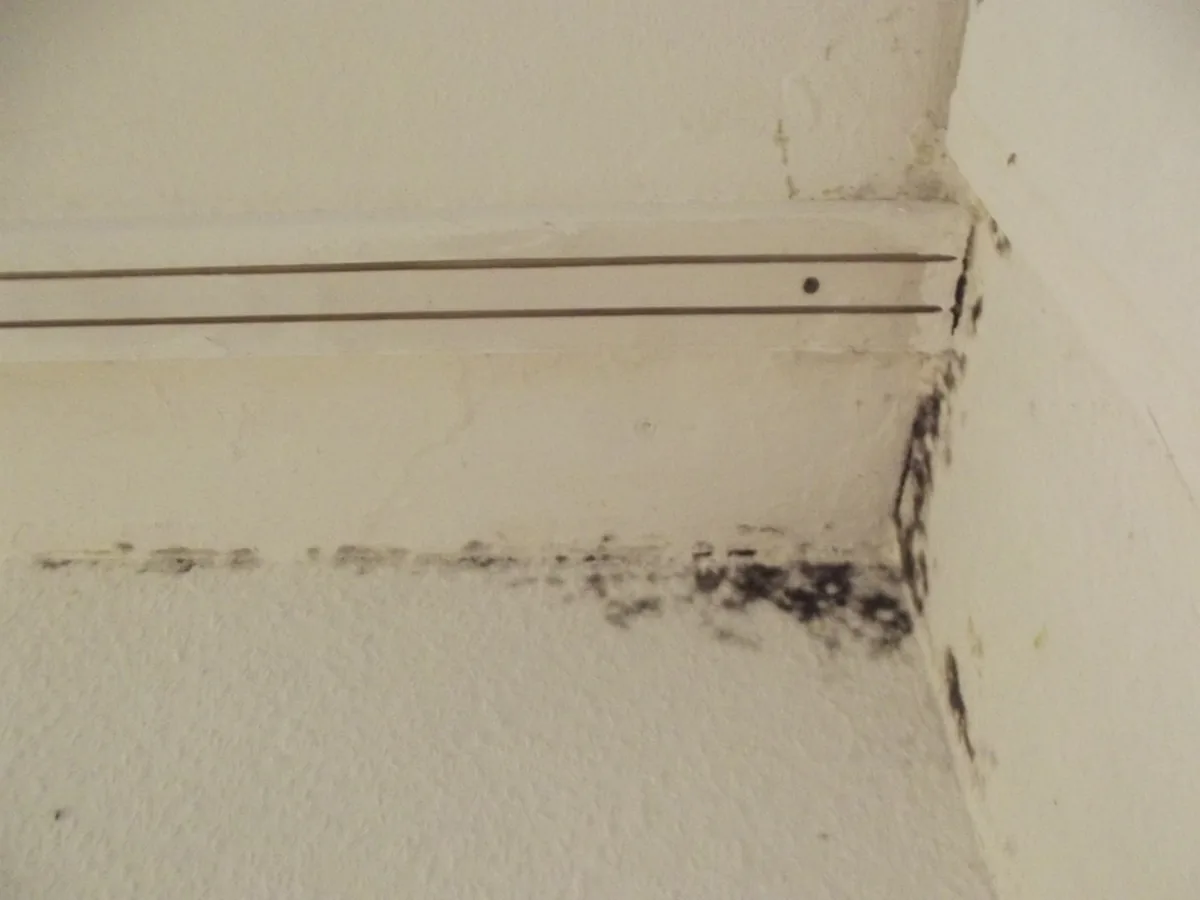
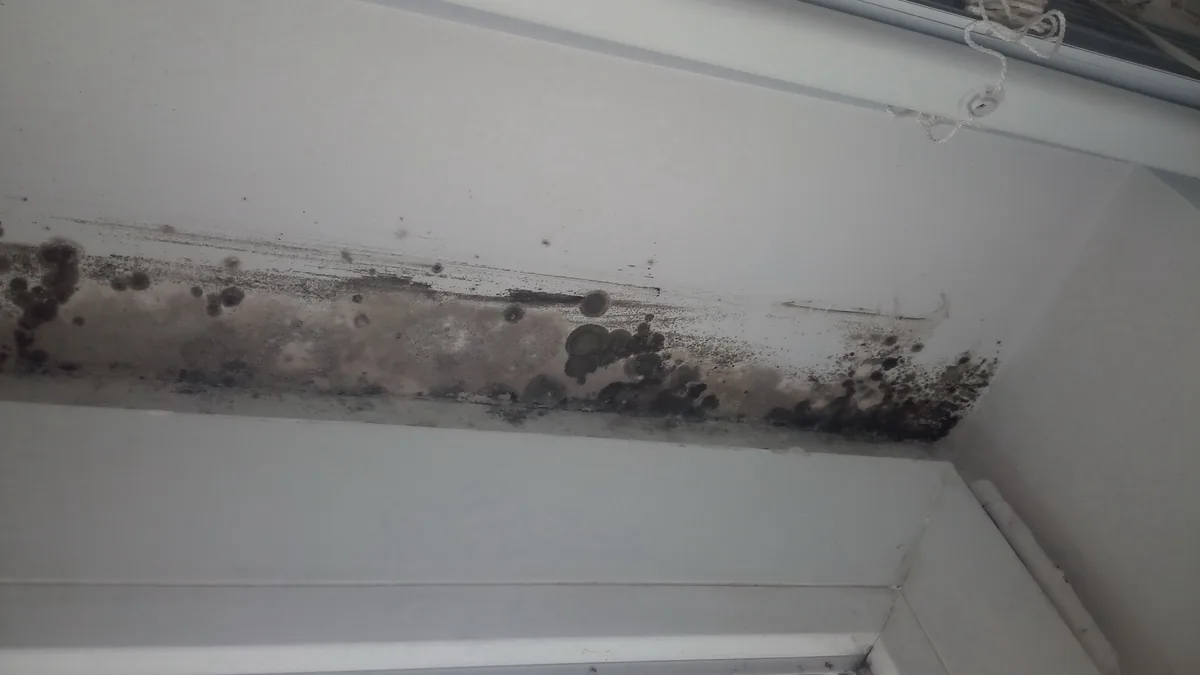
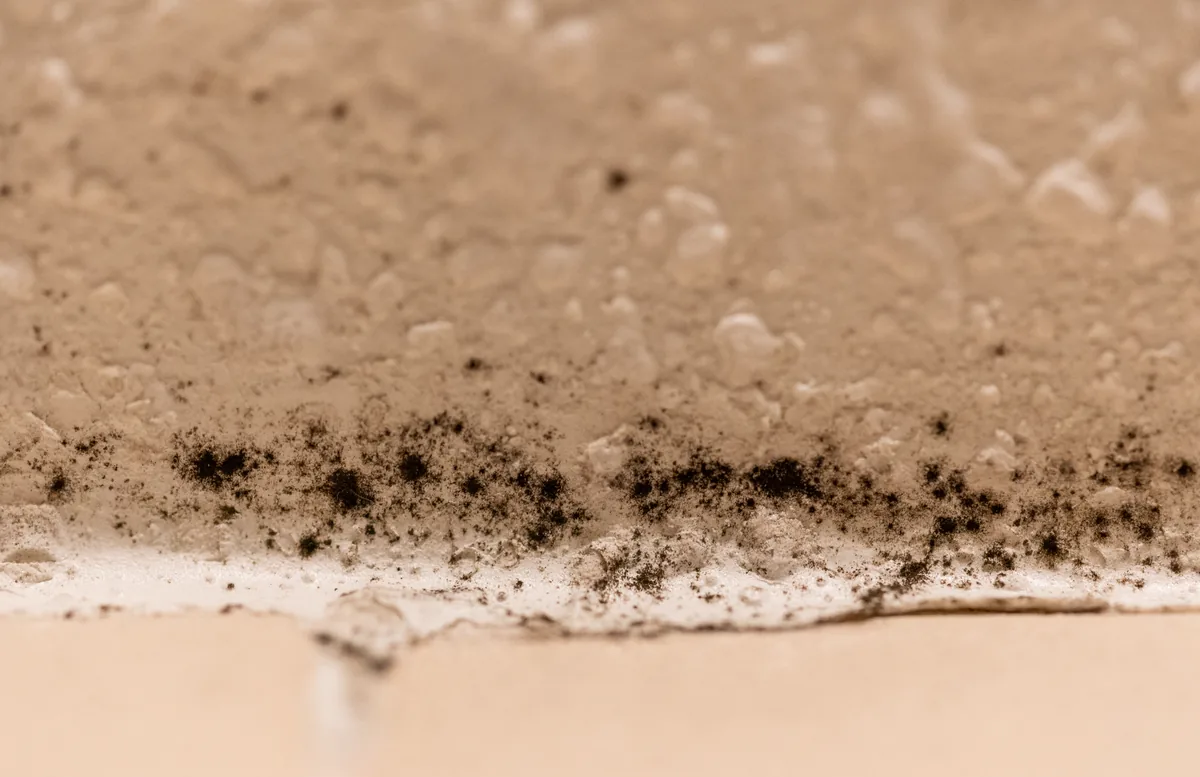
Mold remediation work in Smithville homes
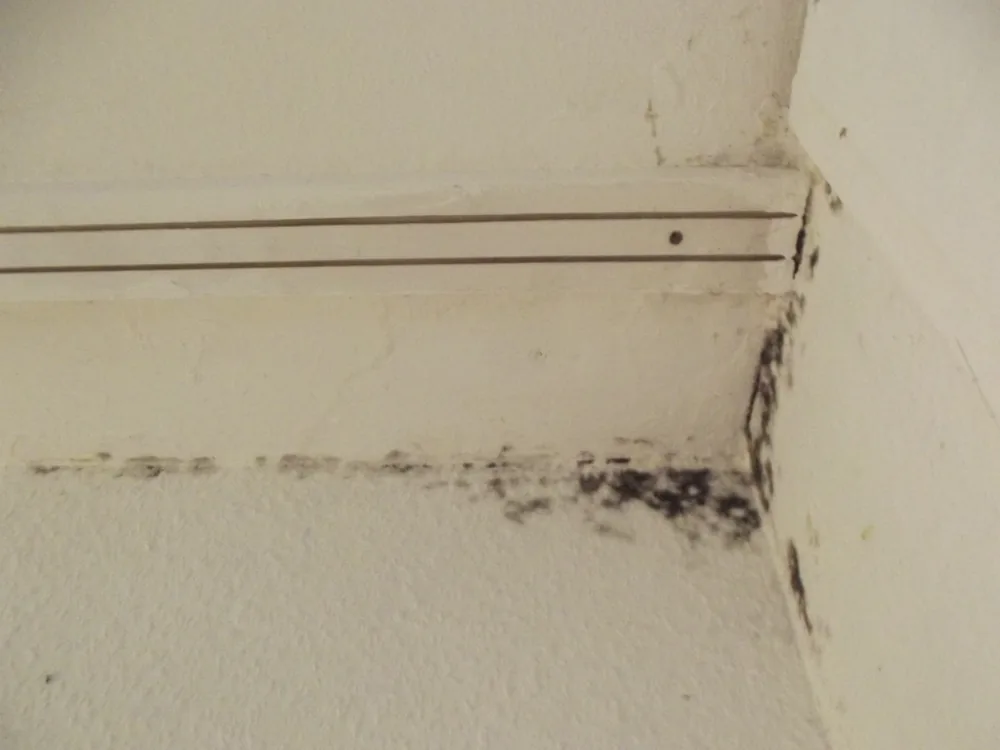
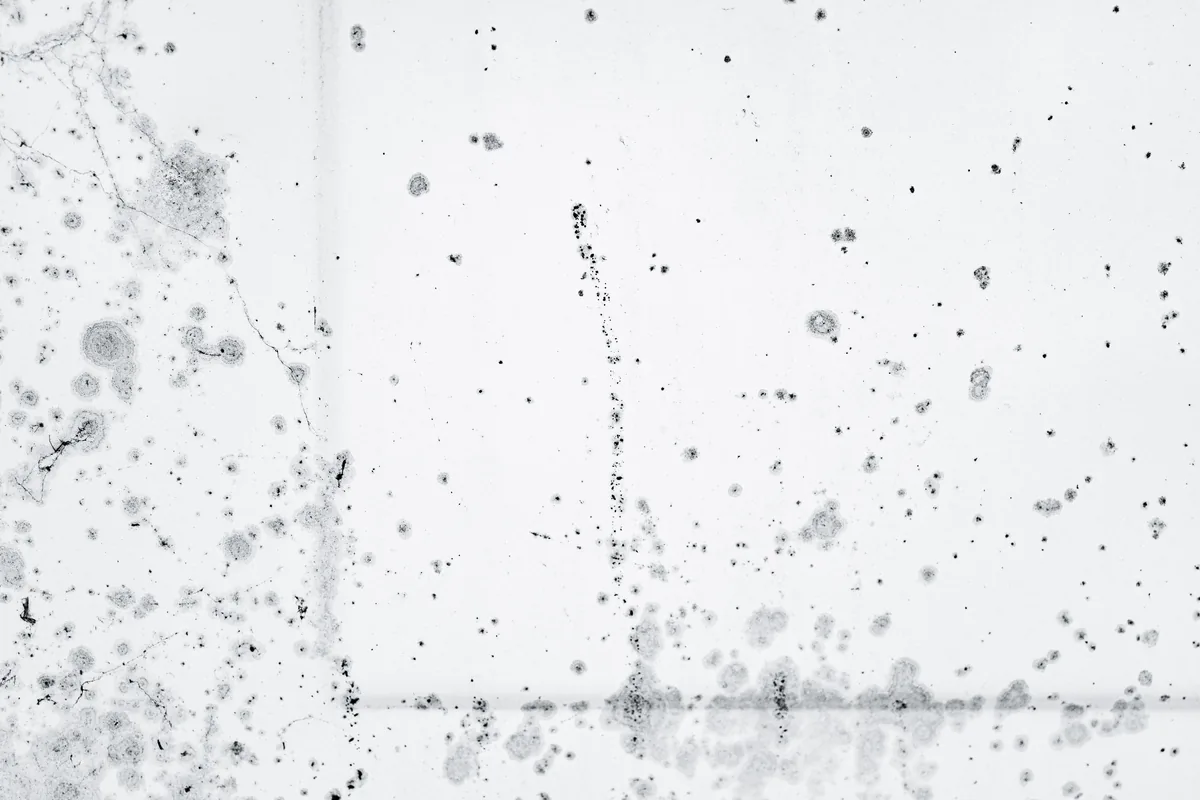
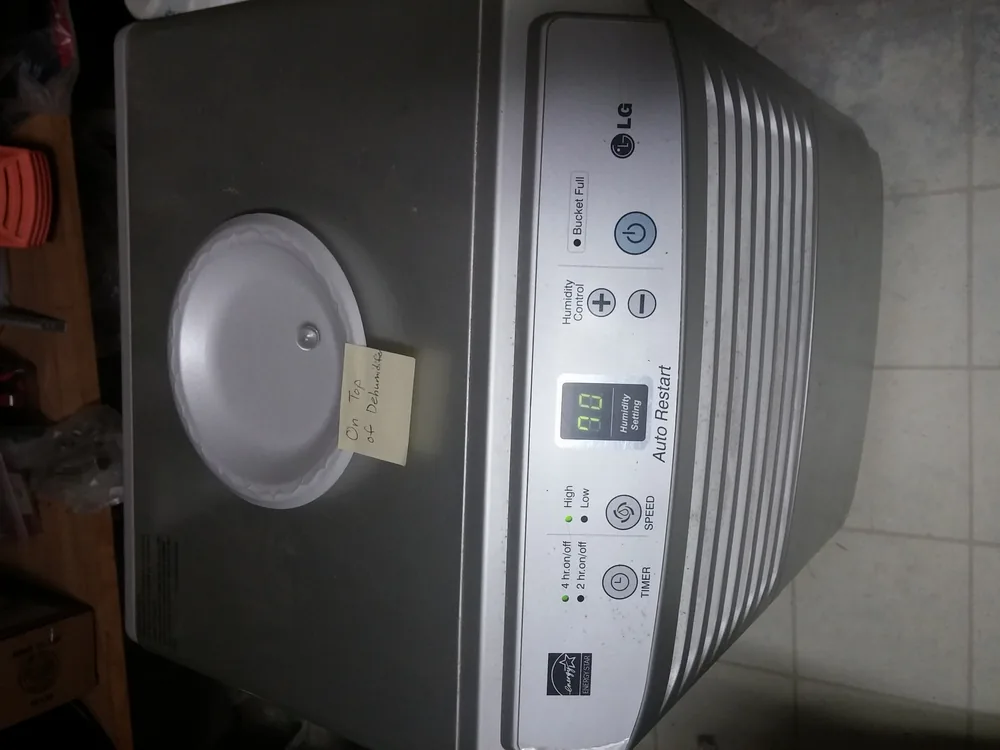
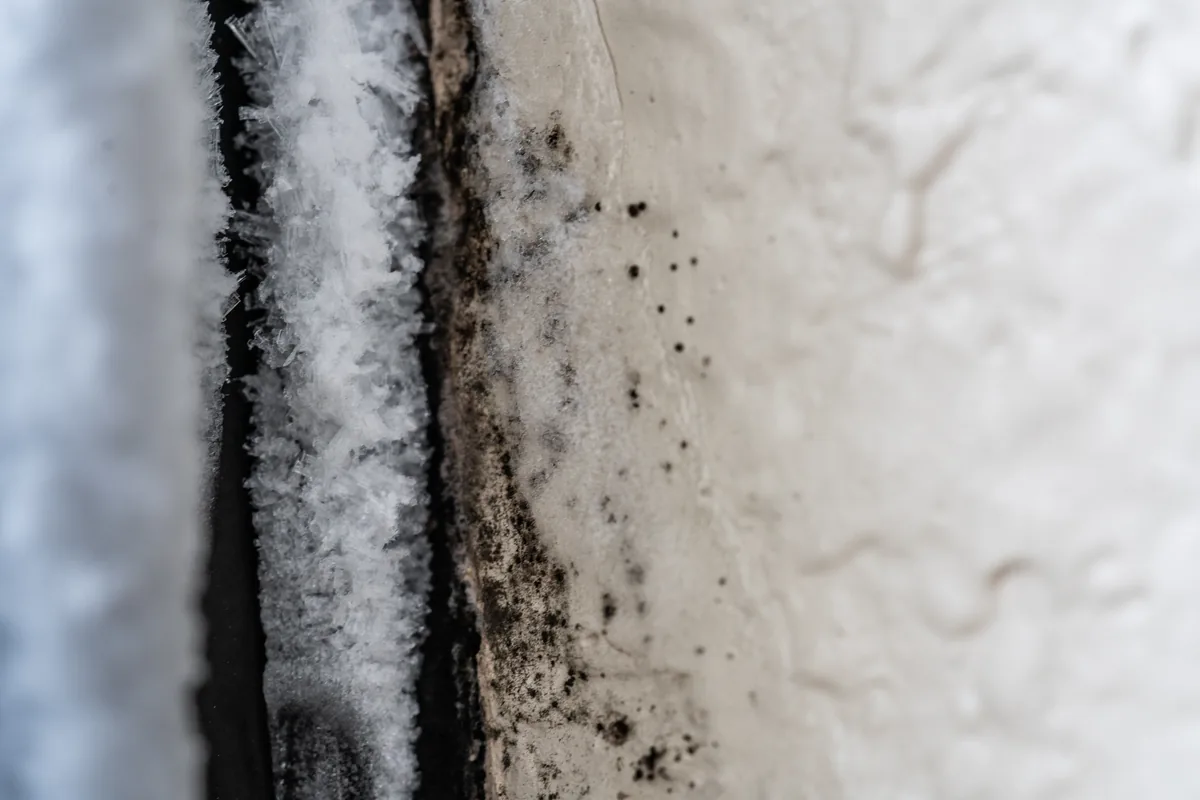
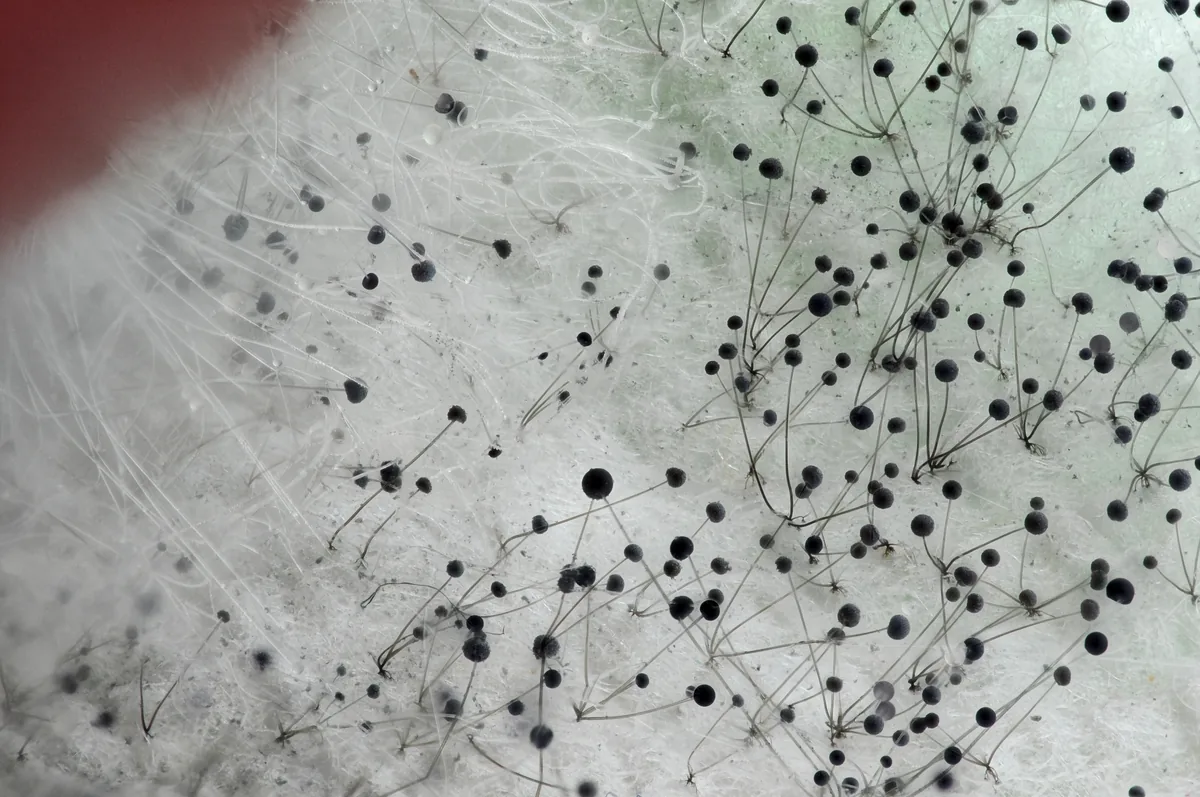
Why Smithville Basements Are Susceptible to Mold
Basements collect moisture from the entire home structure. In Smithville, this often originates from exterior sources like spring rain and runoff pressing against foundation walls, particularly where grading slopes toward the house.
Common triggers for basement mold in Clay County include hairline cracks in poured walls, poorly draining window wells, and sump pump failures during snowmelt.
Unfinished basements allow for easier early detection. Finished basements with carpet, drywall, and framing can conceal moisture damage for months before odors become noticeable.
Service calls typically increase in March and April with snowmelt, and again after summer storms that overwhelm typical drainage systems.
For independent guidance on mold, moisture, and safe cleanup, see EPA: a brief guide to mold, moisture, and your home and EPA: a guide to mold cleanup and moisture control.
Indicators in Finished and Unfinished Basements
The visible signs differ based on how the basement space is constructed and finished.
- Unfinished: white or gray staining on concrete, efflorescence, damp patches on the wall
- Finished: musty smell, discolored carpet edges, soft or bubbling drywall near the floor
- Either type: condensation beading on cold water lines or the water heater
- A sump pump cycling far more often than usual after storms or spring rain
- Rust or staining ringing a floor drain
Tracing the Moisture Source, Not Just the Mold
Effective remediation requires identifying the water entry point. While structural repairs like sealing cracks or replacing sump pumps are separate trades, the written scope clearly outlines the moisture source for future action.
The goal is to remove growth, dry the structure to documented standards, and provide a clear understanding of the moisture issue for long-term decision-making.
Recurring mold problems often stem from an unaddressed water source, a point that should be clarified at the project's outset.
Checking exterior grading is a recommended first step; soil sloping toward the house directs water to the foundation.
Radon Mitigation Systems During Basement Remediation
Many basements in Smithville have radon mitigation systems. Technicians work carefully around existing piping and fan units during removal and drying.
If a basement adjoins a crawl space, that area is also inspected, as moisture problems can migrate between the two spaces.
In newer systems where the sump pit serves as a radon suction point, the lid is handled with extra care to avoid disrupting system performance.
Cost and Timeline Considerations for Finished Basements
Finished basements generally require more material removal, as carpet, padding, drywall, and framing layers must be accessed to reach the foundational issue.
Not all materials are automatically discarded. Studs and plates behind drywall can often be salvaged after cleaning, treatment, and drying, with removal boundaries set by moisture meter readings.
The affected area is often more extensive than visible staining, as materials like carpet pad can wick moisture laterally.
After the job
After the job: keeping it from coming back
Direct downspouts well away from the foundation and regrade soil to slope away from the house
Operate a dehumidifier to maintain basement humidity between 30 and 50 percent
Test the sump pump and float switch annually before spring thaw
Store items on shelving, keeping them off the slab and away from foundation walls
If it shows up again, or a new leak starts, call (844) 352-3560, the line is answered 24/7.
Good to know
Basement Mold Removal in Smithville, MO: common questions
Is mold in an unfinished basement less of a concern?
An unfinished basement is easier to inspect but not inherently safer. Active growth on concrete, framing, or stored materials still requires removal while the moisture source is present.
How can I tell if basement mold is from rain or a plumbing leak?
Location provides clues. Growth along foundation walls or under window wells suggests exterior water. Growth near plumbing fixtures like water heaters or laundry boxes suggests an interior leak.
Is remediation more expensive for finished basements?
Typically, yes, due to the additional time required for removing and drying finished materials like drywall and flooring. A precise estimate follows an inspection that defines the affected area with moisture readings.
Can the underlying water issue be resolved during remediation?
Common sources like foundation cracks, window well issues, or sump pump failures are identified and documented. The actual structural repair is handled by a separate trade, with the remediation scope providing clear guidance.
Will stored belongings be moved during the process?
The immediate work zone is cleared during setup. Highly contaminated porous items, such as cardboard boxes, are typically not salvageable and are identified for disposal beforehand.
Related services
More mold services in Smithville, MO
Standards
Standards the work is done to in Smithville
Questions about the scope? Call (844) 352-3560, open 24/7.
Talk to the mold removal team now
Need Basement Mold Removal in Smithville, MO?
Call the 24/7 line and a local crew gets the problem contained fast, then removed the right way, to the IICRC S520 standard. A visit is often set the same day.