Smithville, Missouri
Ceiling Mold Removal in Smithville, MO
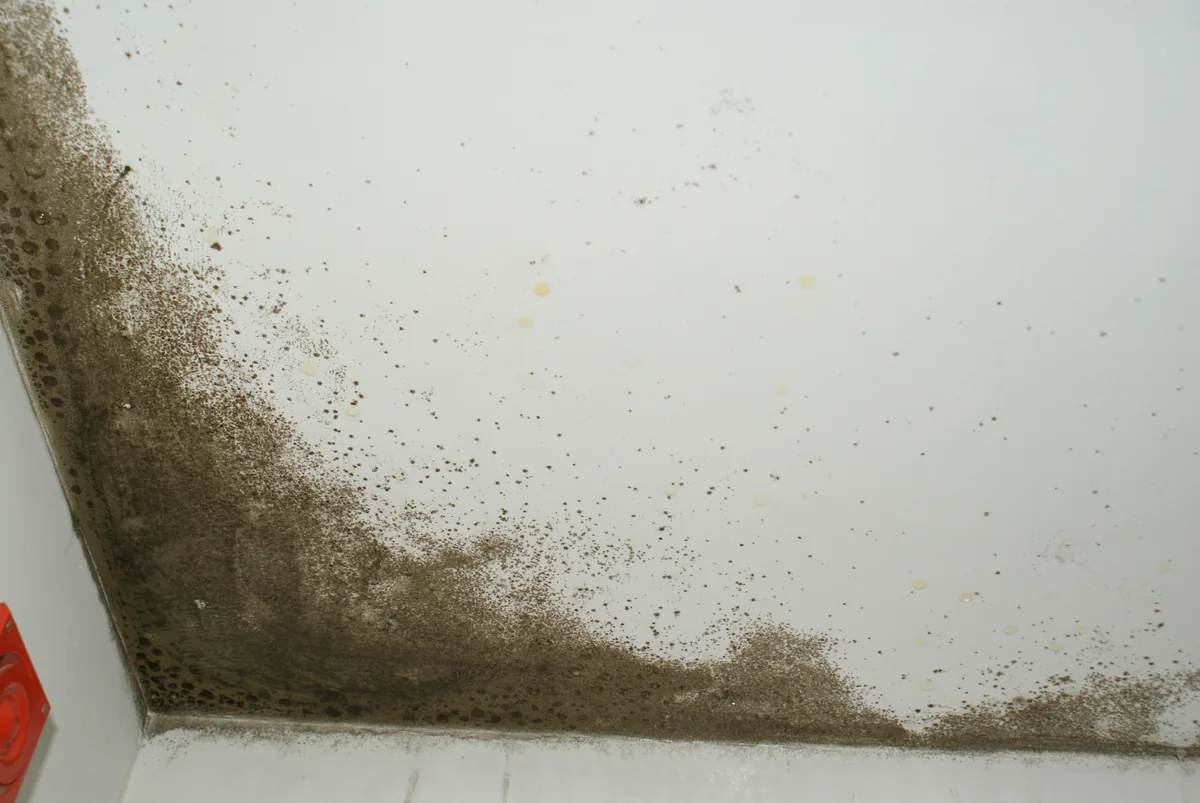
A ceiling stain in a Smithville home indicates water intrusion from above. Remediation begins by tracing the source, whether from the roof, attic condensation, or an upstairs fixture, before any material is removed.
When you call
What happens when you call Smithville's 24/7 line
Call (844) 352-3560 any hour. The line is answered 24/7 and insurance is accepted.
The process
The Ceiling Mold Removal process in Smithville, MO
Inspect
The stain pattern is analyzed alongside the space above it, using tools to map the moisture path and identify the water source.
Confirm active vs. old
Readings determine if the leak is active or historical, which directly informs the scope and priority of the remediation work.
Contain
The area is sealed with containment sheeting under negative air pressure to prevent cross-contamination during ceiling work.
Remove
Affected drywall or plaster is removed in a controlled section, sized precisely to the moisture-damaged area rather than removed arbitrarily.
Dry and patch
The cavity is dried to specific benchmarks, treated, and prepared for patching and texturing to restore the ceiling surface.
Why Smithville homeowners call
Ceiling Mold Removal done to the IICRC S520 standard in Smithville, MO
Source identification precedes removal
The moisture source is located using inspection methods before any cutting occurs, ensuring the correct area is addressed.
Precision cutouts
Removal is confined to the actual affected material, minimizing repair scope and associated finishing work.
Documented process
The process is documented with photos and moisture data, which can be useful for reference.
Clear reporting for multi-unit scenarios
Findings are presented in a clear format that can be used to communicate with relevant parties in shared building situations.
When to call
When to book Ceiling Mold Removal in Smithville
- A ceiling ring that expands after rain or snowmelt
- Dark spots on the ceiling directly below an upstairs bathroom
- Sagging or softened drywall on a ceiling
- Peeling paint or flaking texture in a localized ceiling area
- A persistent musty odor strongest near the ceiling stain
- Water dripping from a ceiling light fixture or fan housing
Any one of these is reason enough to call (844) 352-3560, the line is answered 24/7.
Scope of work
What the crew removes and treats in Smithville homes
Ceiling drywall
Removed in square sections aligned with framing for patching
Textured finish
Original texture is matched during the repair process
Ceiling joists
The cavity is HEPA vacuumed, treated, and dried before closure
Insulation above the stain
Wet or contaminated insulation is bagged and removed
Lath and plaster
Plaster or lath is handled appropriately in older homes
Not sure how far the damage runs? Describe it on the phone at (844) 352-3560, the line is answered 24/7.
By location
Ceiling Mold Removal by city
Ceiling Mold Removal covers Smithville and the whole Clay County area. Pick your city for local detail and pricing.
Where the crews work
Ceiling Mold Removal across Smithville & the Clay County area
From Smithville out to Ridgely, Trimble, Ferrelview, and the Clay County area. The same crews, the same 24/7 line.
What it costs
Mold removal cost in Smithville, MO
Every job is different, so these are the typical Missouri ranges. They are planning numbers, not a quote. Your price depends on how much mold there is, where it is, and what caused it.
A single moldy spot, a closet, or under a sink. The crew seals it off, removes it, and treats the surface.
A bathroom, kitchen, or bedroom with mold on a wall or ceiling, plus the moisture source fixed.
Larger areas that need more containment and drying. Common here after spring rain or a slow leak.
Mold across several rooms or after major water damage. The work runs in phases, room by room.
The surest way to get a firm number is to call and have the crew walk the space with you. Want a ballpark first? Try the instant mold remediation cost calculator. Filing a claim? Insurance is accepted and the contractor works with your carrier, so read the mold insurance claims guide.
Time and scope
How long Ceiling Mold Removal takes in Smithville, and what is included
How long the job takes
Source tracing may take hours. Removal is relatively quick, but drying the structural cavity dictates the schedule. Patching is scheduled once drying benchmarks are met.
What is included, what is booked separately
- Protection of floors and furnishings below the work area
- Moisture mapping to define the removal boundary
- Removal of affected ceiling materials and wet insulation
- Antimicrobial treatment and drying of the structural cavity
- Documentation of findings with photos and moisture readings
Booked separately: Mold After Roof Leak, Attic Mold Removal, Mold Damage Restoration.
For a firm schedule and a written scope, call (844) 352-3560, the line is answered 24/7.
On the job
Mold remediation work in Smithville homes
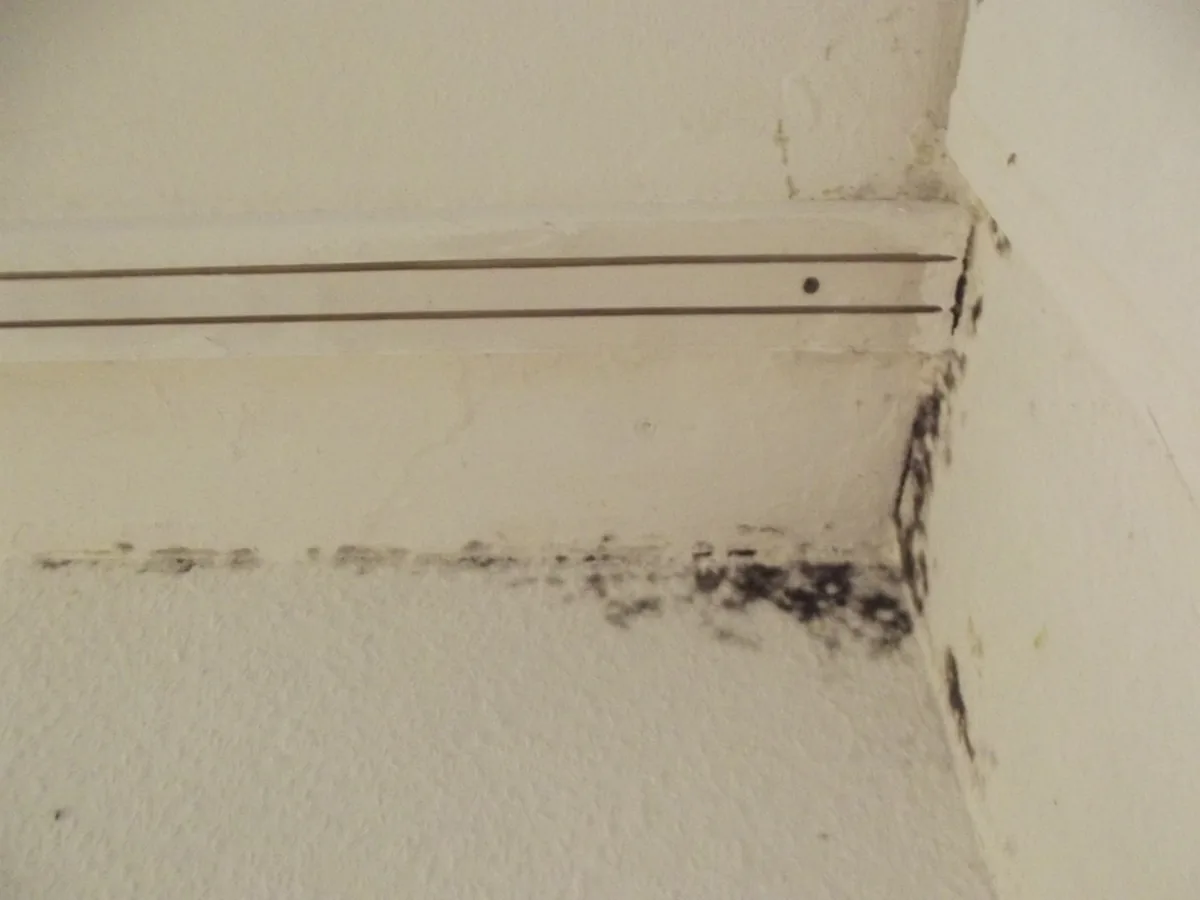
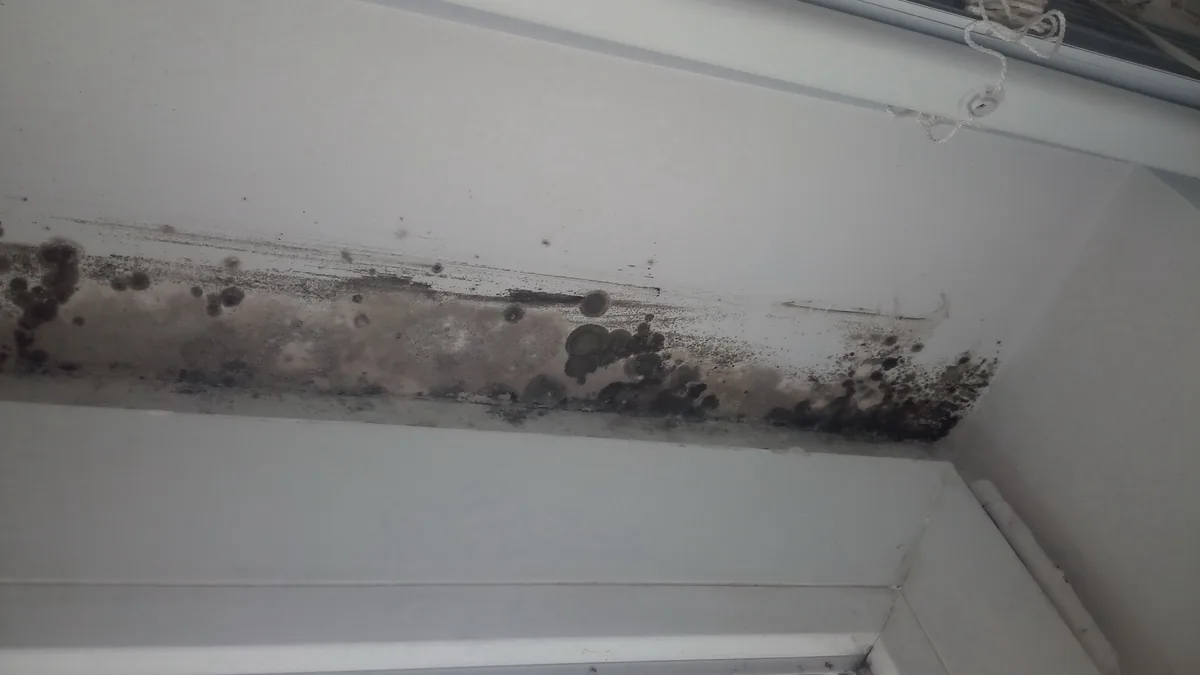
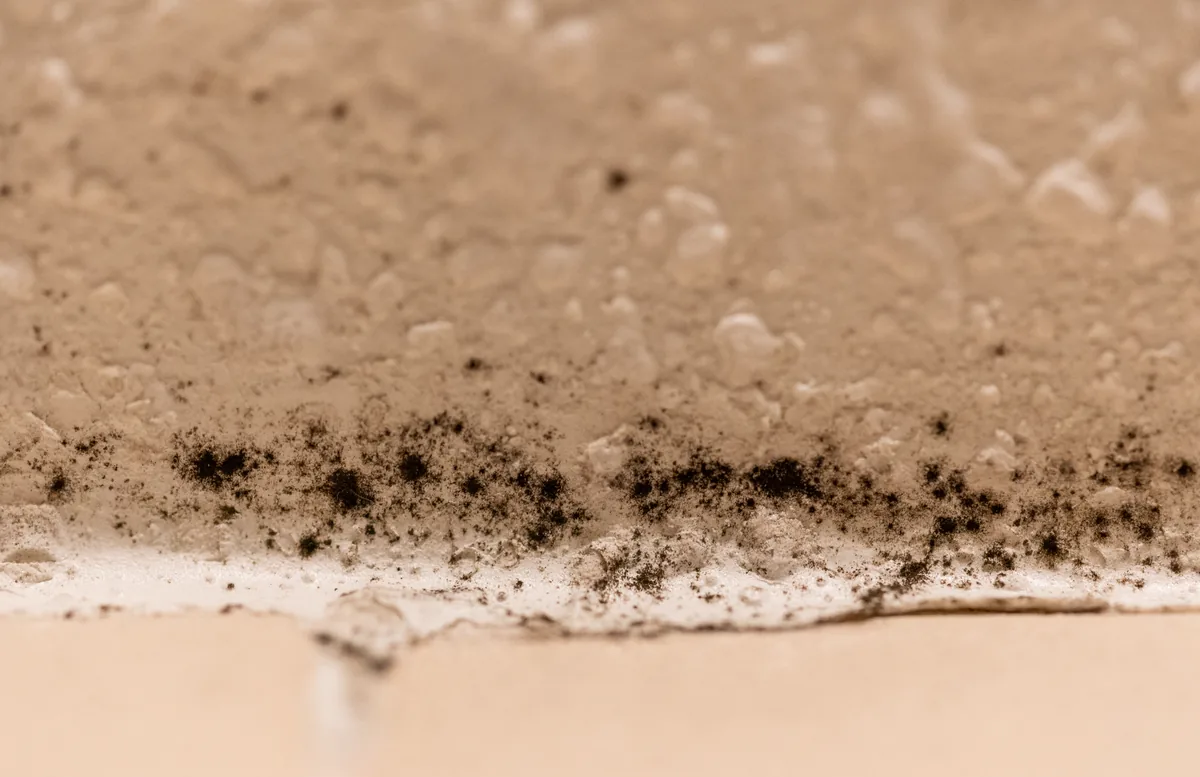
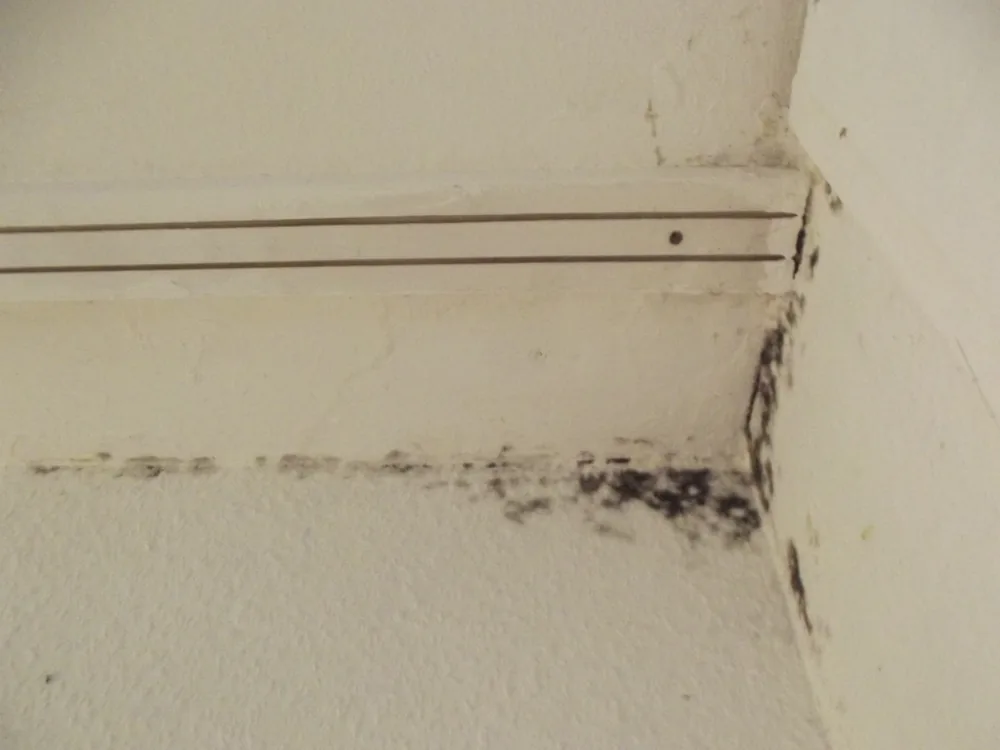

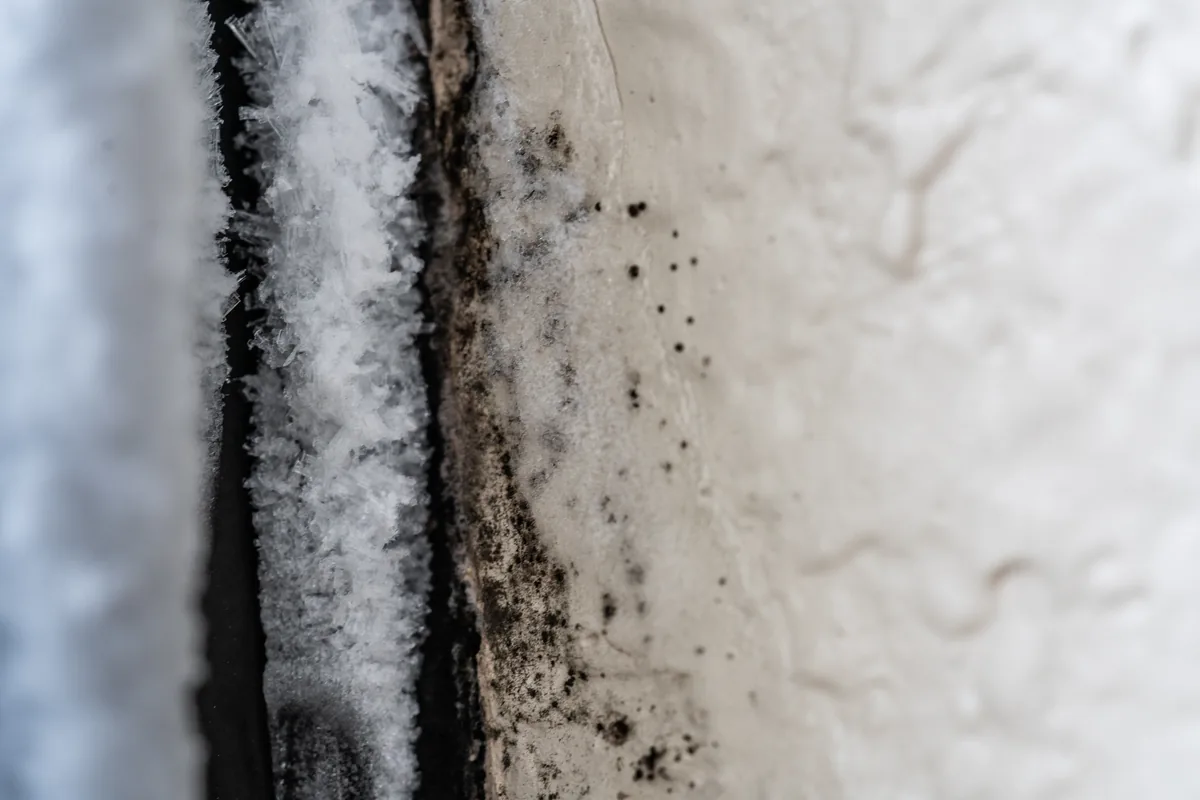
What a Ceiling Stain Indicates
A discolored patch or ring on a ceiling is not merely cosmetic. It signals water has moved through the structure from a source like a roof leak, attic condensation, or an upstairs plumbing fixture.
The stain's shape can indicate the leak's nature. A tight ring often suggests a recurring drip, while a broad, irregular stain may point to a single significant water event.
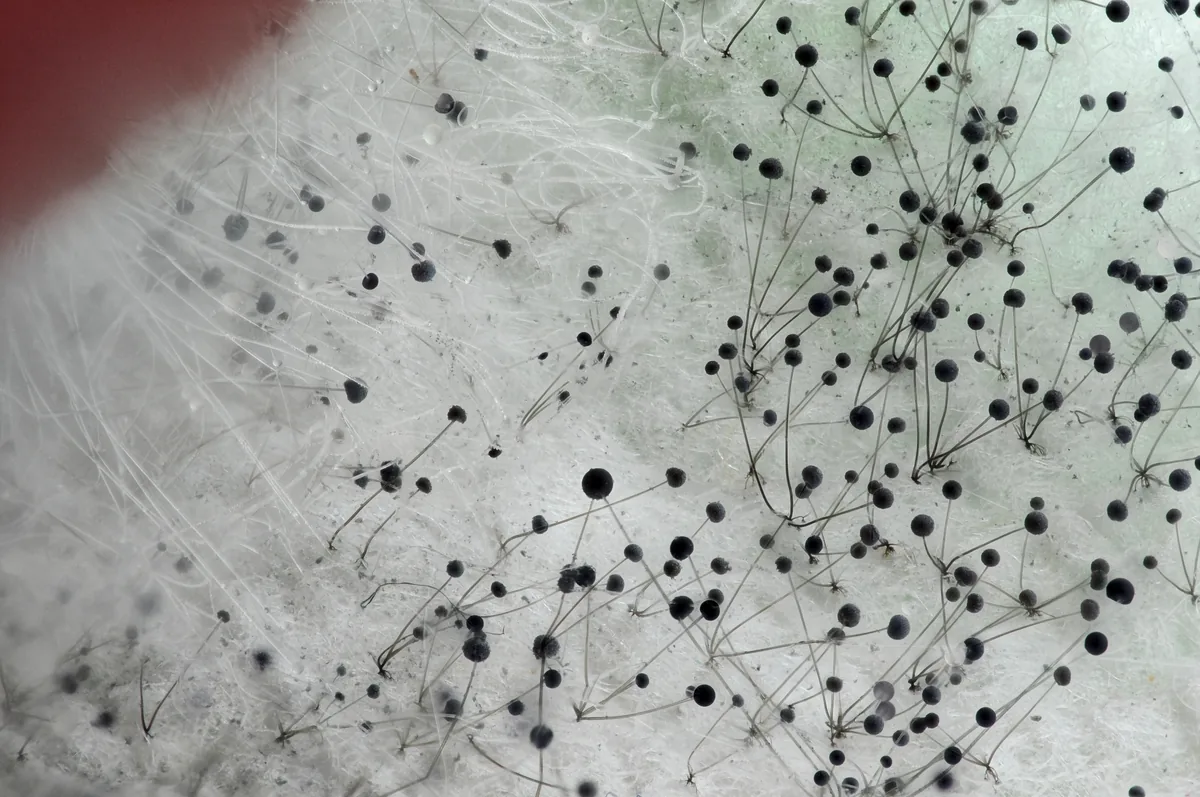
Visible staining means conditions were suitable for microbial growth, which can be present even if not yet fuzzy, especially if moisture persisted.
Ceilings are frequently overlooked until staining becomes pronounced, delaying the identification of underlying moisture issues in Smithville homes.
For independent guidance on mold, moisture, and safe cleanup, see CDC: mold and health information and EPA: a guide to mold cleanup and moisture control.
Identifying the Water Source
No removal begins until the moisture source is confirmed, preventing unnecessary damage and repair costs.
- Single-story home: usually a roof leak or condensation on the deck above
- Two-story home: often a bathroom, laundry or kitchen leak from the floor above
- Directly under a bathroom: check the wax ring, the tub drain and failed grout
- Near an exterior wall: flashing or gutter overflow rather than a leak straight overhead
Precision in Removal
Removing an excessively large section increases material, labor, and finishing costs without addressing the actual problem more effectively.
Moisture mapping defines the exact boundary of affected materials, ensuring removal is precise and limited to necessary areas.
The existing ceiling texture, whether popcorn, knockdown, or smooth, influences the repair approach to ensure a seamless final appearance.
Confirming joist locations before cutting ensures the patch can be securely fastened to solid framing for a stable, flat repair.
Considerations for Multi-Level Structures
In multi-unit buildings, a ceiling leak may originate in an adjacent unit, requiring coordination not needed in single-family homes.
Clear documentation of findings is essential in these cases to facilitate communication with property management or neighbors.
Overhead Work Protection
All work areas below the ceiling are protected because debris from removal will fall downward.
Floors are covered and furniture is moved or protected to simplify cleanup and prevent secondary damage.
Light fixtures and electrical boxes near the work area are handled carefully, and any concerns are noted before the cavity is sealed.
Dust control is critical for overhead work. Containment is configured specifically for ceiling remediation to manage falling particulates.
After the job
After the job: keeping it from coming back
Address the roof leak or plumbing fault before the ceiling is repaired
Monitor the area after subsequent heavy rain events
Maintain seals around upstairs plumbing fixtures
A recurring stain indicates the source above has not been fixed
If it shows up again, or a new leak starts, call (844) 352-3560, the line is answered 24/7.
Good to know
Ceiling Mold Removal in Smithville, MO: common questions
Does a ceiling stain always indicate mold?
Not always, but staining confirms past water presence, which is the primary condition mold requires. Inspection determines if growth is likely or present.
Is a ceiling leak an urgent situation?
An active leak is time-sensitive, as materials staying wet beyond 24 to 48 hours can support microbial growth. An old, dry stain is less urgent.
What if the leak originates from another unit?
Findings are documented to provide clear information for property managers, HOAs, or neighboring owners to address the source repair.
How is the source found without making a large hole?
Visual inspection from above, combined with non-invasive moisture detection tools, typically identifies the source area before any demolition.
Is the ceiling repaired after mold removal?
Remediation includes drying and treatment. Drywall repair and texturing are coordinated as subsequent steps to restore the ceiling.
Related services
More mold services in Smithville, MO
Standards
Standards the work is done to in Smithville
Questions about the scope? Call (844) 352-3560, open 24/7.
Talk to the mold removal team now
Need Ceiling Mold Removal in Smithville, MO?
Call the 24/7 line and a local crew gets the problem contained fast, then removed the right way, to the IICRC S520 standard. A visit is often set the same day.